“AMONG THE MOST BEAUTIFUL VILLAGES IN ITALY”
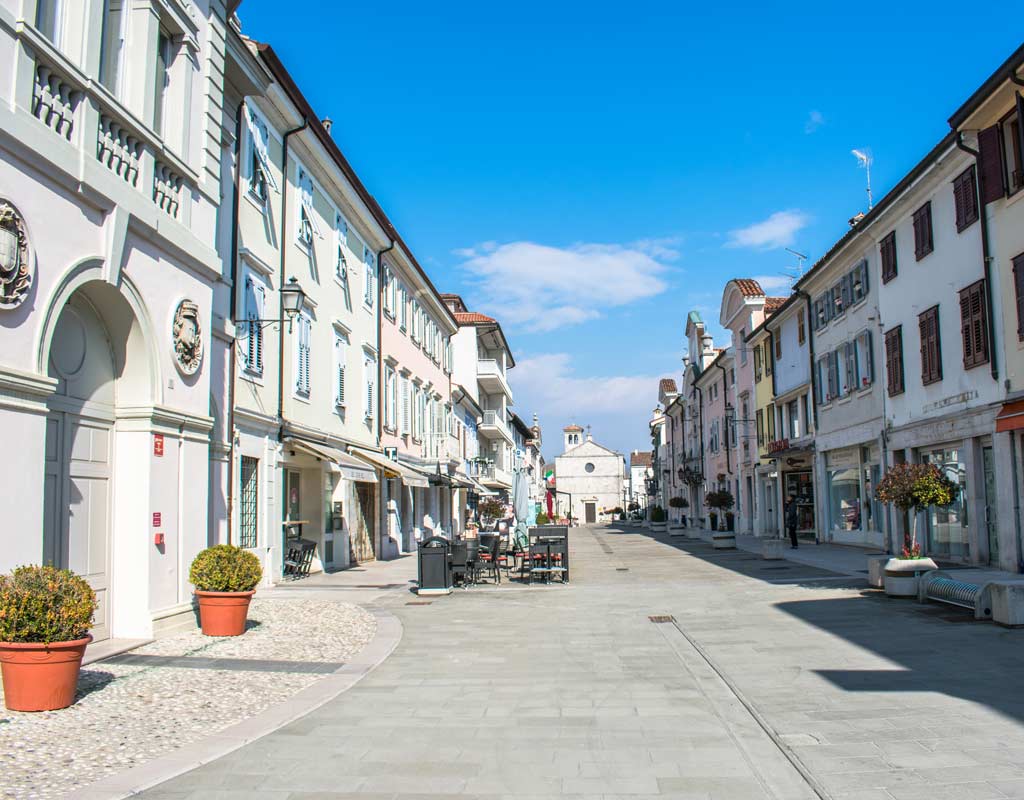
Package including a visit to three towns named among the most beautiful villages in Friuli Venezia Giulia: Palmanova, Clauiano, and Strassoldo.
Clauiano (4 km): A town originating from the Roman era.
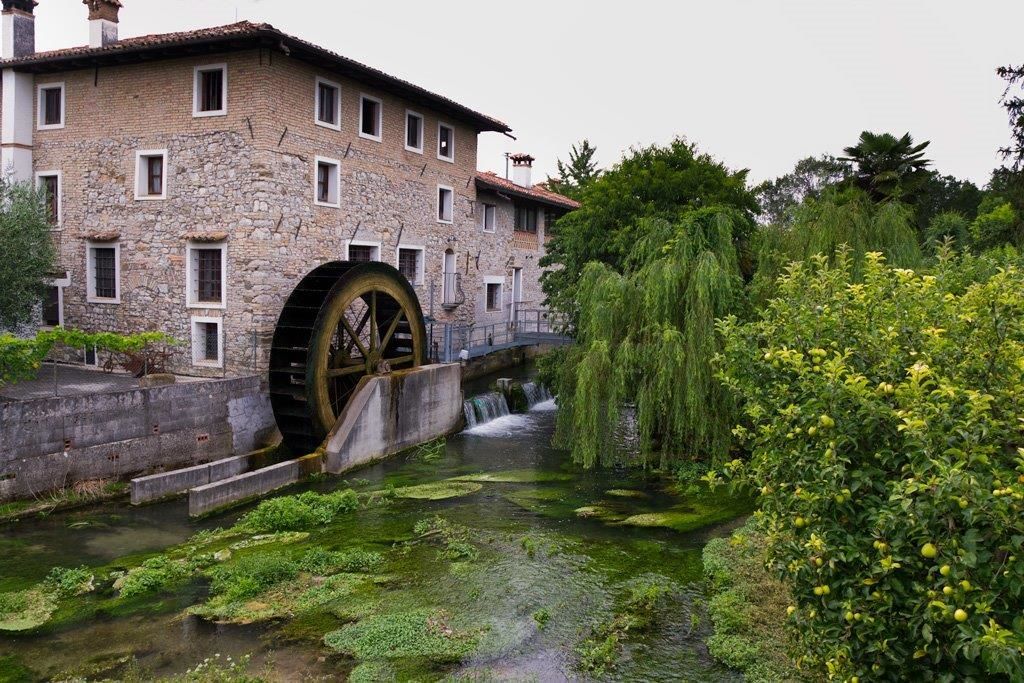
Strassoldo (6 km): A village that constitutes a rare example of an ancient medieval settlement.
“IMMERSING IN UNESCO CITIES”
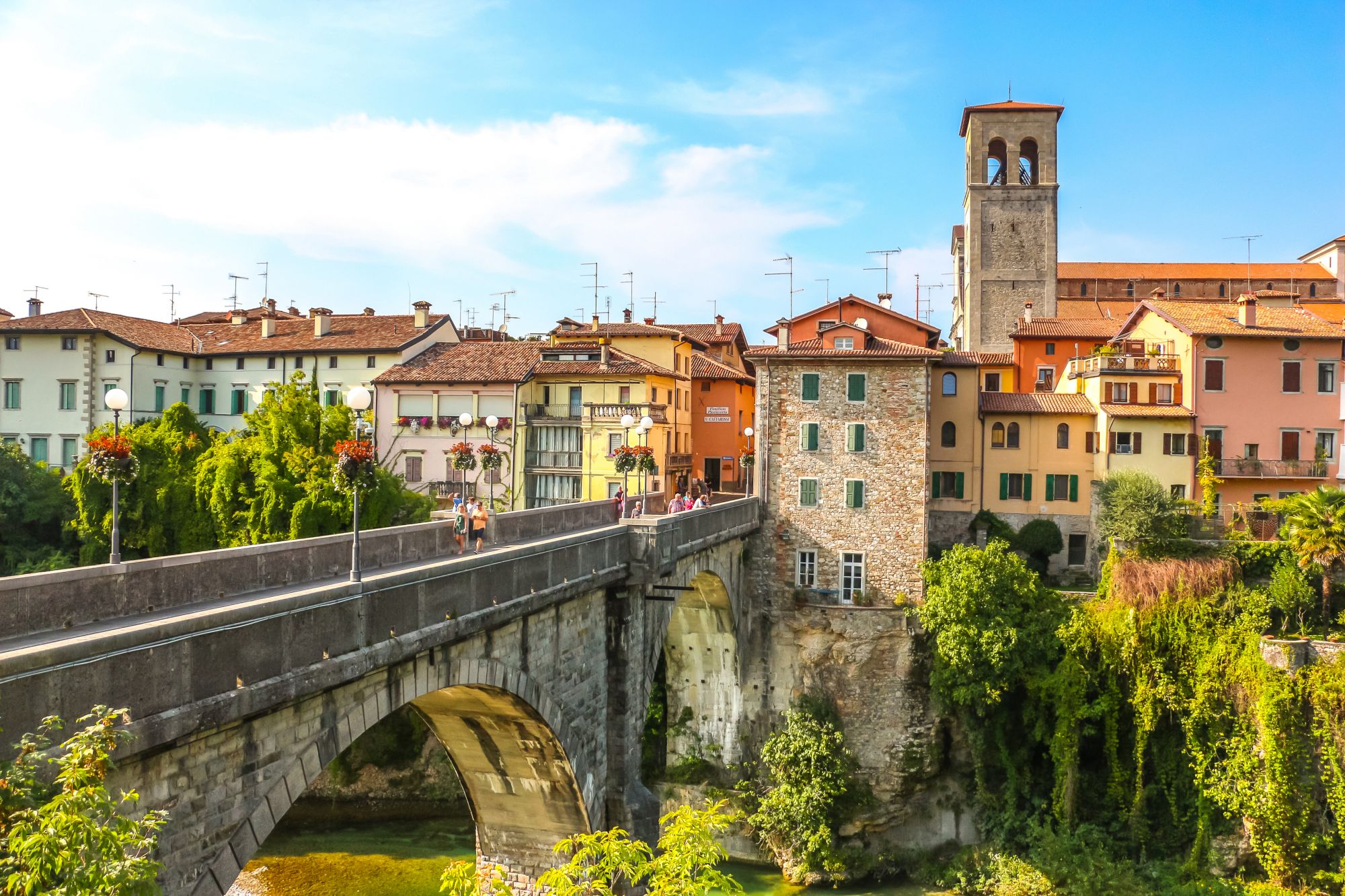
Package including visits to cities recognized and designated as UNESCO World Heritage sites: Palmanova, Aquileia, and Cividale.
Palmanova: Designated as a UNESCO World Heritage site on July 9, 2017 – the 53rd Italian site on the list.
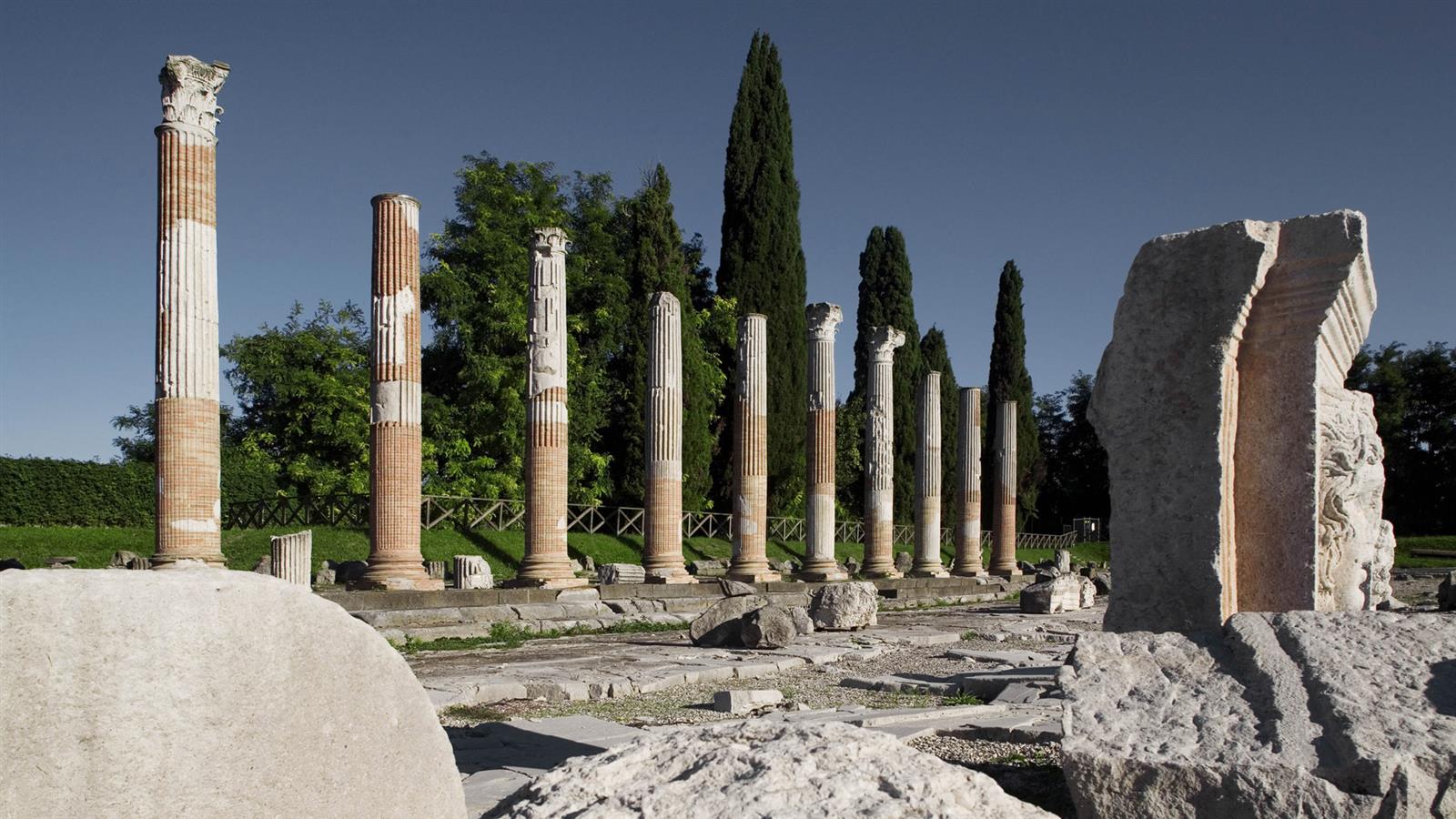
Aquileia (18 km): Designated a UNESCO site in 1998 for the importance of its archaeological area and the beauty of its floor mosaics.
Cividale (27 km): Designated a UNESCO site in 2011 for its immense heritage from the Lombard era, still visible today.
“RETRACING VIA IULIA”
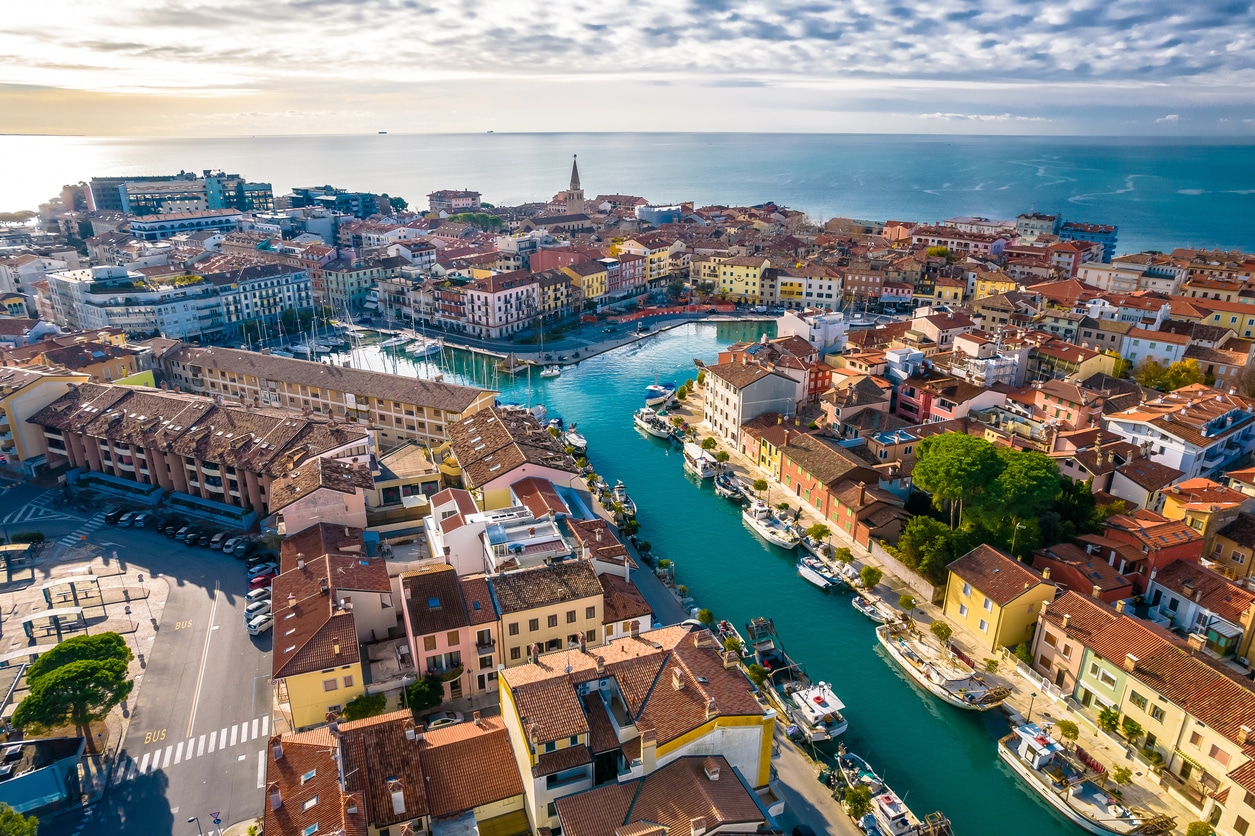
Package including a visit to three towns—Palmanova, Aquileia, and Grado—following a route, Via Iulia, present since prehistoric times.
Aquileia (18 km) and Grado (28 km)
“TO EACH ERA ITS CITY”
Package covering three cities from three distinct historical periods: Palmanova, founded during the Renaissance; Torviscosa (12 km), built following land reclamation during the Fascist period; and Aquileia (18 km), a city of the Roman Empire and a center for the spread of Christianity.
“GO!2025”
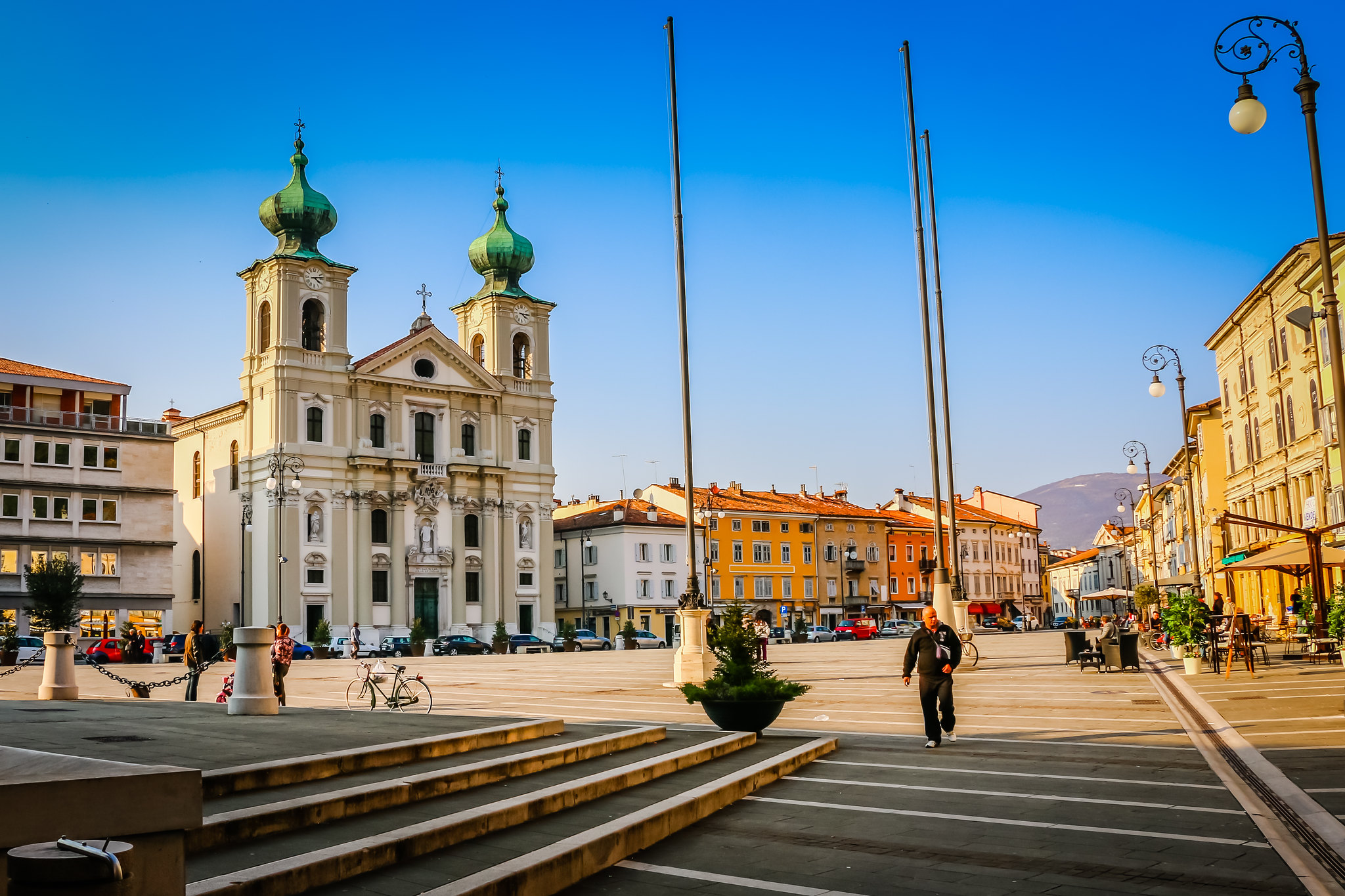
Package including visits to the fortresses of the eastern border: Palmanova, Gradisca d’Isonzo, and Gorizia.
Gorizia (34 km): Border city and former territory of the Austro-Hungarian Empire before WWI, designated European Capital of Culture 2025 together with Nova Gorica.
Gradisca d’Isonzo (18 km): 15th-century fortress built on the right bank of the Isonzo River by the Venetians, with contributions by Leonardo Da Vinci, to counter Ottoman invasions.
Other visitable destinations near the fortress:
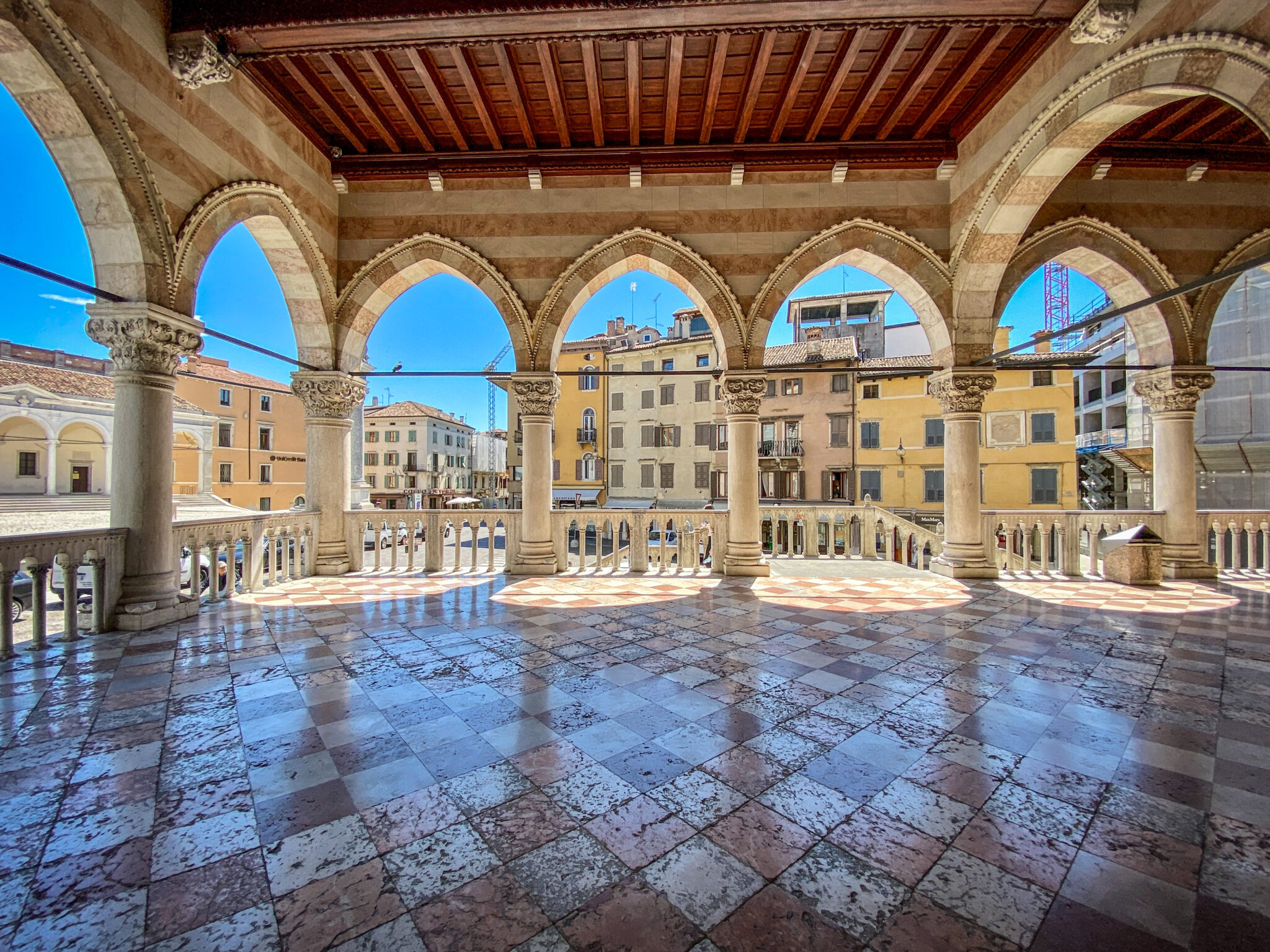
- San Daniele del Friuli (45 km): Internationally renowned for prosciutto production and home to FVG’s oldest library, the Biblioteca Guarneriana.
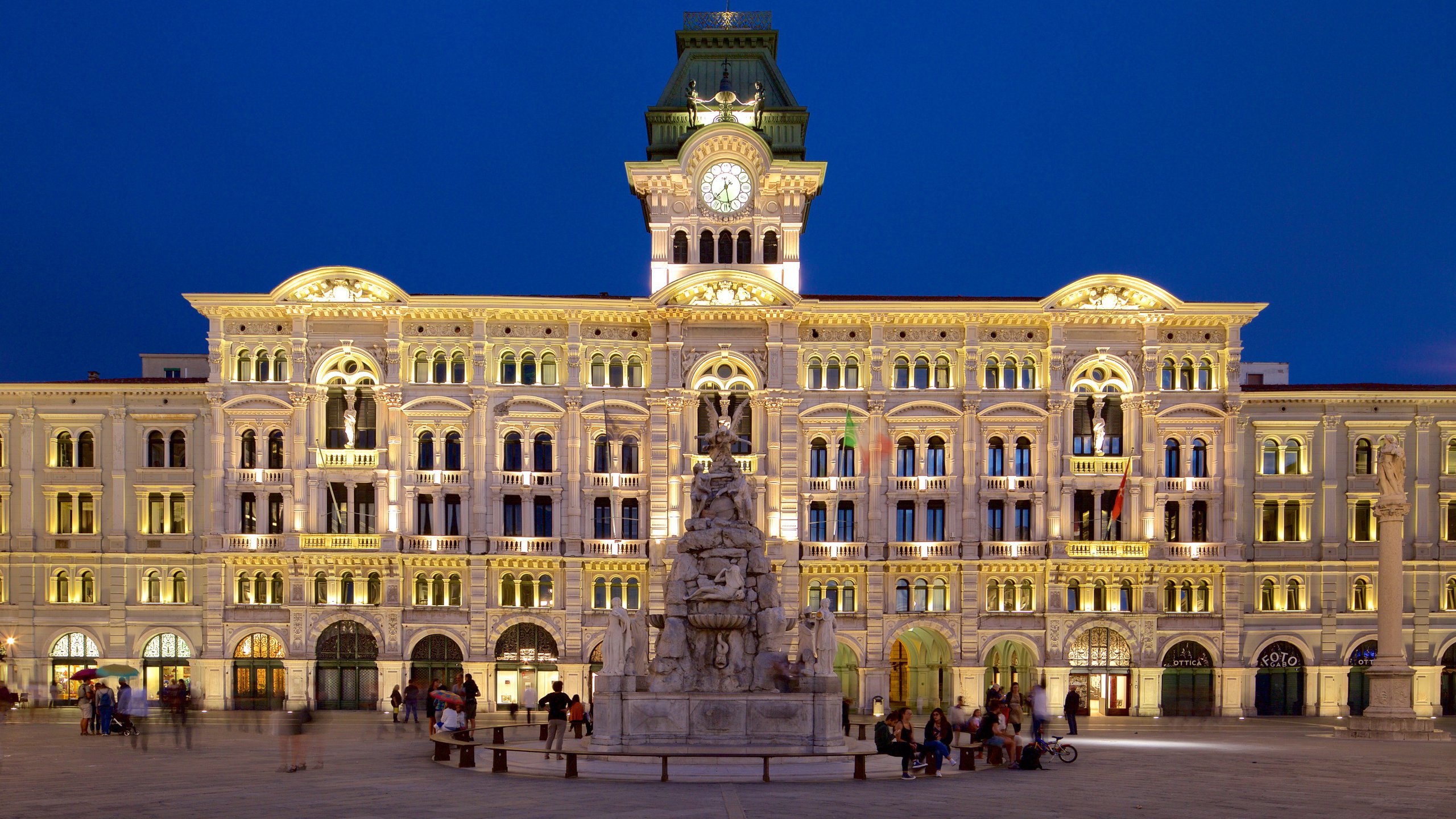
- Trieste (55 km): A city where one can breathe its glorious Habsburg past at the crossroads of languages, peoples, and religions that still characterize it.